
Stump Grinding in Piketon and Pike County, Ohio
Have a stump or a few dozen to deal with around Piketon or Waverly? The first choice is whether to grind it below grade or dig it out, and the second is a call to 811, because Ohio's digging law changed in June 2026. Here's how to decide, what it runs, and what 811 likely won't mark.
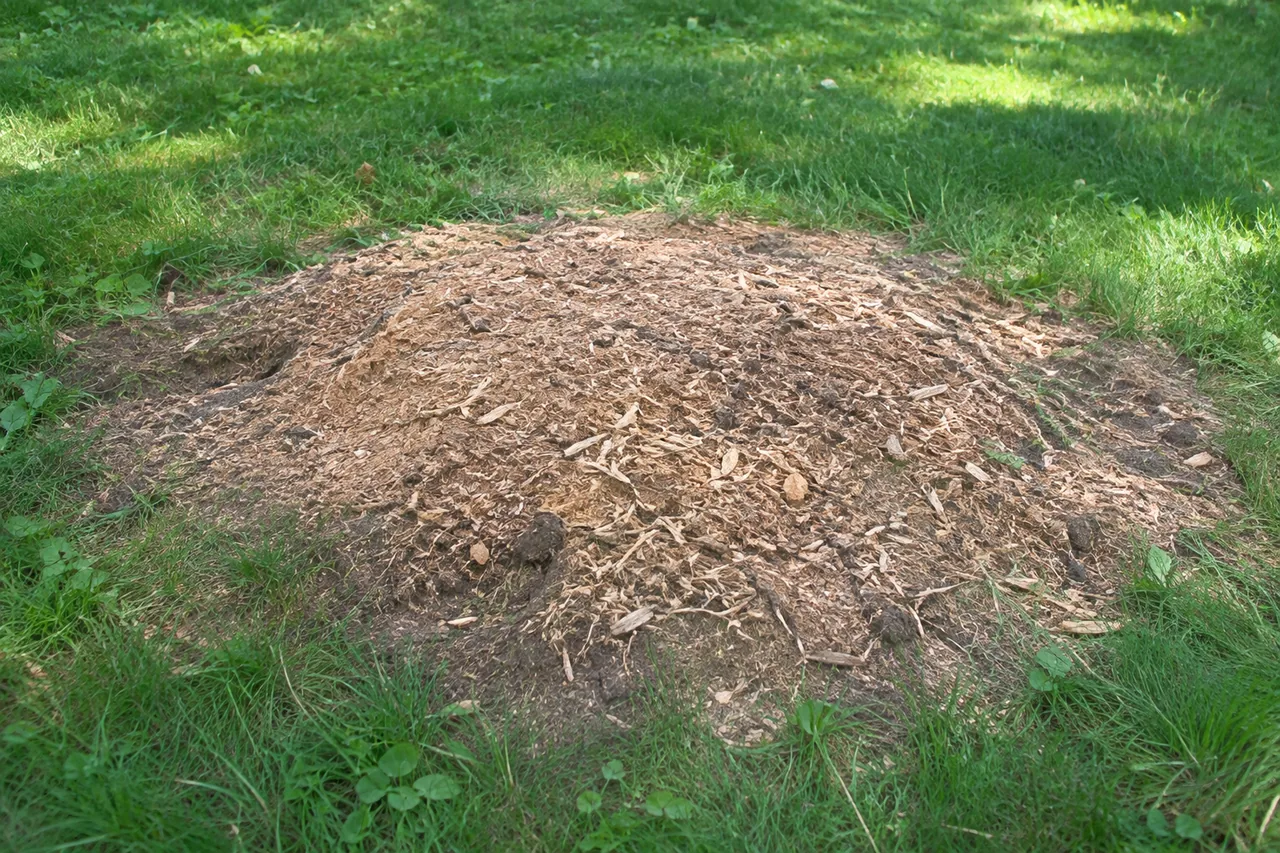
Grind it or dig it out?
Grinding cuts the stump and the top of the root flare into chips, a few inches below grade, and leaves deeper roots to rot in place. That suits lawns, pasture you'll mow, and woods trails. The spot may settle over time, so expect to add soil.
Digging out uses an excavator to pull the stump and main roots, and it leaves a hole to backfill. That's what you want under a footing, slab or driveway, or anywhere soil has to stay firm. On a house site, it's common to do both: dig where you'll build, grind where you'll mow.
On a slope, think before pulling big root balls out. Ohio's hazard plan lists "Removal of vegetation and trees because of the loss of roots" as a landslide cause. Grinding leaves the deeper roots alone. See the hillside page.
Ohio 811: the rule changed
Ohio law now says notice must be given "at least two working days, not including the day of the notification," and "not more than sixteen calendar days before commencing excavation." That took effect June 9, 2026, under House Bill 227. Working days leave out weekends and legal holidays. OHIO811's own process page still shows the older wording, so go by the statute.
The law defines excavation broadly: "the use of hand tools, powered equipment, or explosives to move earth" and so on. It doesn't mention stump grinding by name. A grinder that cuts below grade does go into the ground, though, so treat it as digging and make the call. Dial 8-1-1 or 800-362-2764. OHIO811 says contacting it is free.
The responsibility sits with "the person or persons responsible for making the actual excavation," so ask your contractor whose name is on the ticket.
What 811 will not mark
Ohio's definition of a utility leaves out owners of homes, farms and similar property for lines on their own land. That likely means your own lines are on you: the well line to the house, the septic line, buried power to a barn or a shop. Old farmsteads are where this bites. Before a grinder comes, walk the yard with whoever knows the place, and flag what you can.
For septic, the Pike County General Health District at (740) 947-7721 is the place to ask about system records.
Rock and shale in the hole
Grinder teeth are made for wood, and rock is hard on them. USDA's description of shale-derived soils such as Rarden puts soft shale generally at 20 to 40 inches, so a stump on that kind of ground may sit close to it. Old fence wire grown into a trunk is also worth mentioning if you know about it. Say so when you ask for a price, since it can change the plan.
Stumps that may come back
Honeysuckle, autumn olive and tree of heaven are on Ohio's invasive plant list. If you're grinding those, ask what regrowth to expect and what follow-up makes sense. We haven't got an Ohio control source we'd stand behind on this yet, so we won't give a treatment here. Pike Soil and Water Conservation District, at 740-947-5353, can point you the right way.
On or near the line
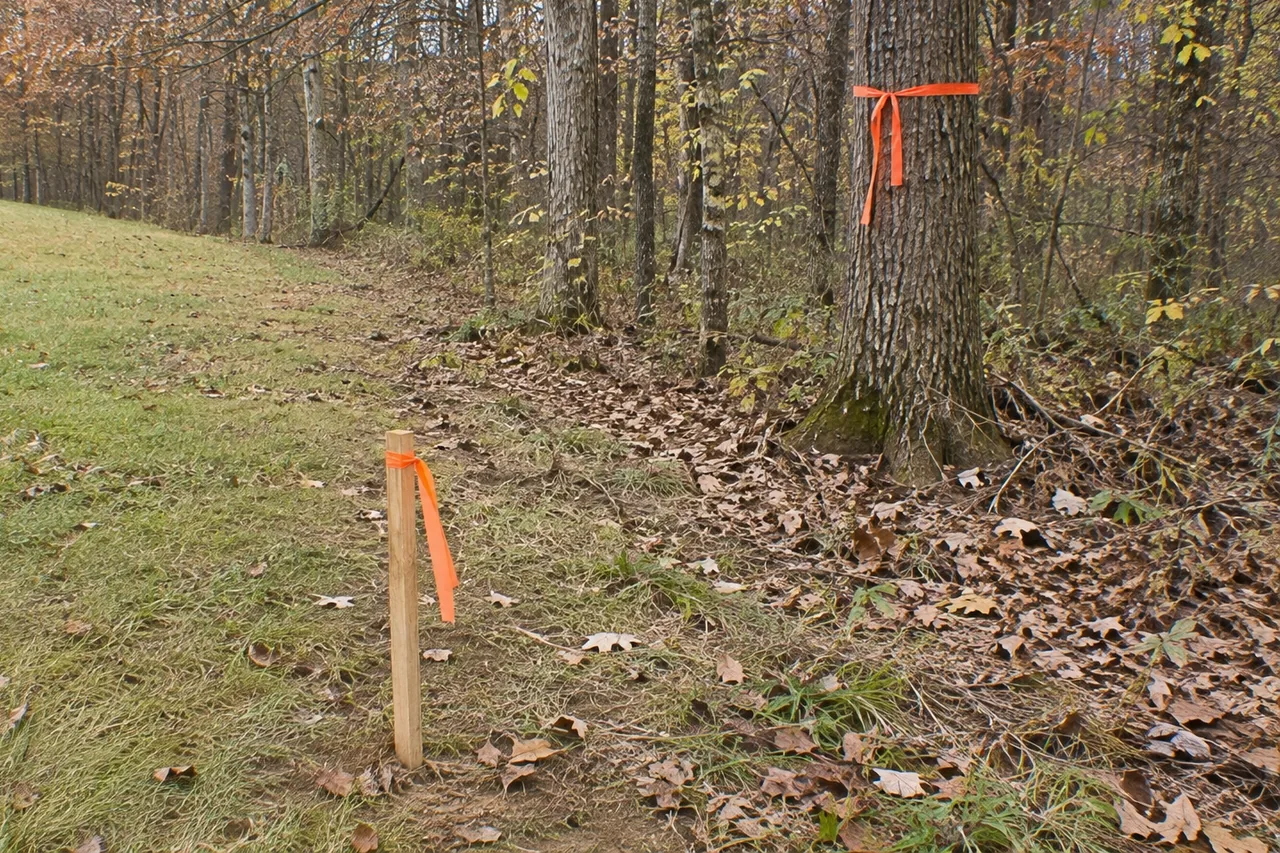
A stump on a boundary is a neighbor conversation first. Ohio law says anyone who recklessly cuts or destroys "a vine, bush, shrub, sapling, tree, or crop" on another person's land is liable in treble damages. The wording is broad, so if there's any doubt about who owns the stump, settle it before grinding.
What it costs
National figures from Angi's 2025 data, not local prices: about $120 to $400, with most around $250. It also lists $2 to $5 per inch of diameter with a common $100 minimum, and a full range of $30 to $1,600.
Worked examples at $2 to $5 an inch:
| Stump | At $2 to $5 an inch | Note |
|---|---|---|
| 12 inches | $24 to $60 | The common $100 minimum would likely apply |
| 24 inches | $48 to $120 | Likely at or near the minimum |
| 36 inches | $72 to $180 | Access and root flare can raise this |
A long list of stumps on a cleared lot is priced differently than one in a yard, and the machine has to get there. The contractor's written price is what counts. See the cost page.
Common questions
Do I have to call 811 for a stump?
Ohio's law doesn't name stump grinding, but its definition of excavation is broad and a grinder goes below grade. Treat it as digging.
How far down does the grinder go?
It varies by machine and job. Tell the contractor what will happen on the spot afterward, and agree on a depth in writing.
What happens to the chips?
They can be raked back and topped with soil, or hauled off. Decide before the work starts, because hauling changes the price.
Can I build over a ground stump?
That isn't a good idea. Roots left behind rot and the ground settles. Under a footing, slab or drive, dig it out.
How this site can help
Tell us how many stumps, how big, and how a machine gets to them. One independent contractor who serves your part of Pike County gets the request and writes up a price.
Related pages
Sources
- ORC 3781.28, notice before excavating, effective June 9, 2026
- ORC 3781.25, excavation and utility definitions, effective June 9, 2026
- OHIO811 summary of House Bill 227
- OHIO811 one-call process page
- Ohio EMA, State Hazard Mitigation Plan, landslide section, pp. 2-80 and 2-81 (Rev. 2/2019)
- USDA NRCS, Rarden soil series
- OAC 901:5-30-01, Ohio invasive plant species
- ORC 901.51, cutting another person's trees
- Pike County General Health District, contact page
- Pike Soil and Water Conservation District listing
- Angi, stump grinding cost, 2025 data
Read November 2026. Rules change, so check the office that decides before you rely on any of this.
Got ground that needs clearing?
Call, or send a few details online.